


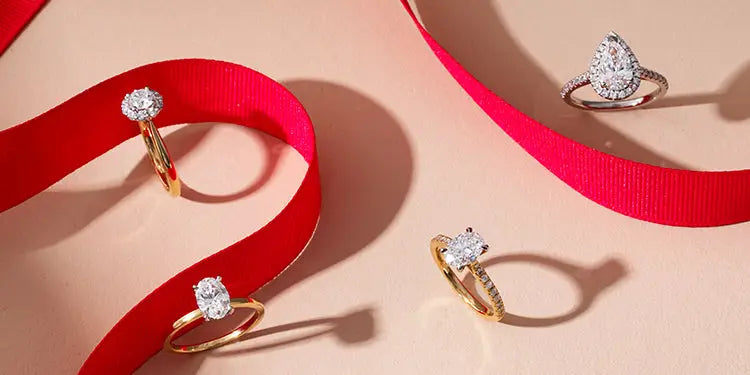
As ethical and sustainable choices rise to the forefront of consumer priorities, the jewelry industry has undergone a quiet revolution. Among the most notable changes is the increasing popularity of lab-made diamonds — gemstones that offer all the sparkle of traditional mined diamonds without the environmental toll. Paired with either platinum or gold, these lab-grown wonders make for breathtaking engagement rings, anniversary gifts, or personal keepsakes.
But once you’ve decided on a lab-created diamond, another decision looms large: platinum vs. gold for the ring setting. This choice isn’t just about aesthetics — it affects everything from durability and maintenance to cost and skin compatibility. In this article, we’ll delve deep into the distinctions between these two precious metals and how they pair with lab diamond rings to help you make the best decision for your lifestyle and values.
Understanding Lab-Made Diamonds
Before we dive into metals, it’s important to understand what lab-made diamonds really are. Created under controlled conditions using advanced technological processes, these diamonds are chemically, physically, and optically identical to their mined counterparts. Two main methods are used to produce them: High Pressure High Temperature (HPHT) and Chemical Vapor Deposition (CVD). Both result in a stunning gemstone that is indistinguishable from a natural diamond, even to trained gemologists — unless advanced equipment is used.
The appeal of lab-grown diamonds is multifaceted. They are eco-friendlier, often cost 30–40% less than natural diamonds, and are free from the ethical concerns that sometimes accompany diamond mining. As such, they represent a growing share of the fine jewelry market and are a favorite among modern couples looking to combine luxury with conscientious living.
Platinum vs. Gold: The Metal Showdown
Now that you’ve chosen a lab-grown diamond, the next step is picking the right metal for your ring. Here’s how platinum and gold compare in key areas:
1. Appearance and Aesthetic Appeal
Platinum has a naturally white-silver color that enhances the brilliance of diamonds. It maintains its tone over time and doesn’t require re-plating. Gold, on the other hand, is more versatile. It comes in several shades: yellow gold (classic and warm), white gold (similar in appearance to platinum but requires occasional rhodium plating), and rose gold (romantic with a pinkish hue).
If you’re going for a timeless, neutral look, platinum or white gold are excellent choices. If you want something traditional or vintage-inspired, yellow or rose gold may appeal more to your taste.
2. Durability and Daily Wear
Platinum is denser and more durable than gold. It’s particularly well-suited for those who lead active lifestyles or work with their hands. Over time, platinum develops a patina — a matte finish that many people cherish for its antique character.
Gold is softer, especially in its higher karat forms like 18K. While white gold can look similar to platinum, it’s more susceptible to scratches and requires maintenance such as re-plating every few years to retain its silvery sheen.
3. Weight and Comfort
Platinum is heavier than gold. Some people enjoy the substantial feel it gives to a ring, while others may find it a bit cumbersome, especially if they’re not used to wearing jewelry. Gold is lighter and may be more comfortable for daily wear, particularly in daintier settings.
4. Hypoallergenic Properties
For sensitive skin, platinum is often the better choice. It’s naturally hypoallergenic and contains no alloys that can cause irritation. Gold, particularly white gold, is usually mixed with nickel or other metals that might cause allergic reactions in some wearers.
If you’re investing in a lab diamond ring for a loved one with sensitive skin, platinum might offer both peace of mind and lasting comfort.
5. Cost Considerations
Platinum is rarer and heavier than gold, which generally makes it more expensive. However, considering its durability and longevity, it might be a cost-effective option in the long run. White gold may be cheaper initially, but maintenance costs can add up over time.
In the context of lab diamond rings, which already offer substantial savings compared to mined stones, some buyers choose to allocate more of their budget toward a premium metal like platinum. Others prefer the more budget-friendly flexibility of gold, especially when exploring unique settings or multi-tone designs.
Sustainability and Ethics: Aligning with Lab Diamonds
Choosing lab-grown diamonds often reflects a desire to minimize environmental impact and ensure ethical sourcing. This same logic can extend to your choice of metal. Platinum and gold both have mining-related environmental concerns, but recycled metal options are increasingly available. Many jewelers now offer recycled platinum and gold, maintaining the luxury feel while reducing the ecological footprint.
When choosing between lab diamond rings platinum vs gold, it’s worth asking your jeweler about sustainable metal sourcing. The ethical alignment between your diamond and your metal choice can amplify the significance of your jewelry — especially if it’s meant to mark a once-in-a-lifetime occasion.
Customization and Style Flexibility
Gold’s malleability makes it easier for jewelers to create intricate, artistic designs. It’s ideal for vintage styles, braided bands, or settings that require detailed metalwork. Platinum, being harder, is more often used in classic, clean-line designs that emphasize the stone.
If you’re interested in a custom ring, your design may influence your choice. Jewelers can advise whether your dream setting is better executed in platinum or gold.
Care and Maintenance
Lab-created diamonds require the same care as natural diamonds — gentle cleaning with a soft toothbrush and mild soap, and periodic checks for loose settings.
For platinum, maintenance is minimal. While it may scratch, the metal is displaced rather than lost, which means your ring won’t thin out over time. Gold, particularly white gold, needs re-polishing and rhodium treatment to maintain its luster.
A well-crafted lab-made diamond ring, whether set in platinum or gold, can last for generations with proper care. Many modern jewelers offer lifetime cleaning or warranty services, which is something worth asking about during your purchase.
Conclusion: Which Should You Choose?
Choosing between platinum and gold for lab diamond rings depends on a blend of personal taste, lifestyle, budget, and ethical values. Platinum offers unparalleled durability, hypoallergenic properties, and a modern elegance. Gold provides design flexibility, a wide range of colors, and a more traditional aesthetic.
Ultimately, both metals pair beautifully with lab made diamonds, showcasing their brilliance and ethical appeal. Whether you gravitate toward the luxurious weight of platinum or the warm tones of gold, your choice will reflect not only your style but your values.
With lab-grown diamonds and conscious metal choices, modern fine jewelry has never looked — or felt — better.